As pharma manufacturing gets more automated and more sterile, footwear contamination control becomes a bigger deal than ever
May 3, 2026
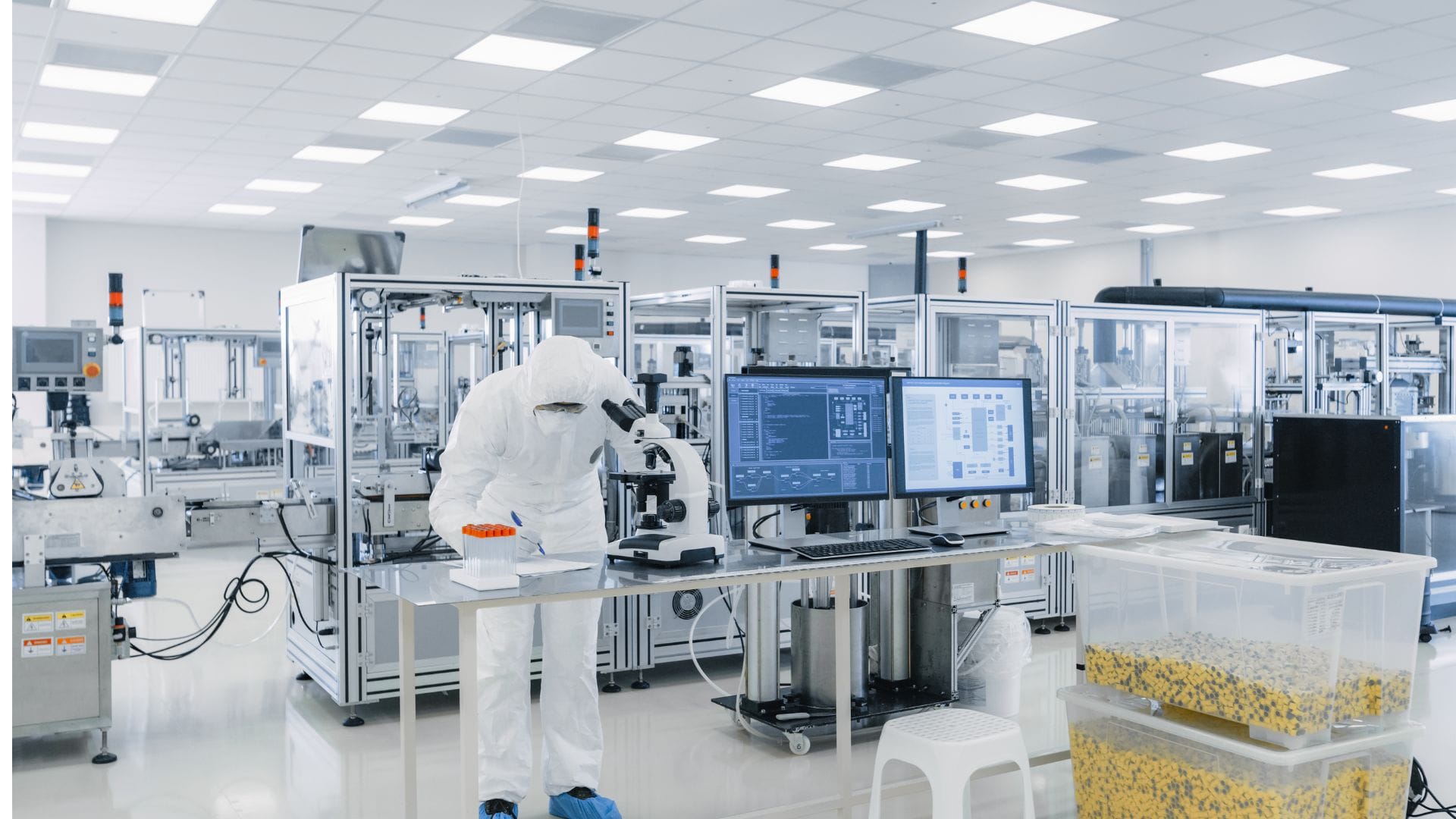
As pharma manufacturing gets more automated and more sterile, footwear contamination control becomes a bigger deal than ever
Pharmaceutical manufacturing is entering a new era. Facilities are becoming more automated, more precise, and more dependent on tightly controlled environments to protect product integrity and patient safety. As robotics, closed systems, and advanced sterile processing reduce some forms of human contact, they also raise the stakes for the contamination risks that remain. One of the most overlooked of those risks is still walking in through the door: footwear.
In a modern pharmaceutical facility, every entry point matters. Floors, corridors, gowning areas, and transition spaces all serve as potential contamination pathways, and shoes are one of the easiest ways for microbial contamination to move from the outside world into critical production zones. That makes footwear sanitation more than a housekeeping issue. It is part of a broader contamination control strategy that helps support cGMP expectations and cleanroom discipline.
Automation changes the risk profile
It brings clear advantages, greater consistency, less direct handling, and fewer opportunities for unnecessary human intervention. In sterile and high-value pharmaceutical manufacturing, that is a powerful step forward. But the more a facility depends on tightly controlled processes, the more important it becomes to manage the contamination risks that still enter through the human interface.
People remain one of the most common sources of contamination in clean environments, and footwear is one of the most practical ways contamination moves from less controlled spaces into more critical ones. Even with proper gowning, shoes still contact the floor, and the floor is often where contamination first settles, builds, and spreads.
So while automation reduces many variables, it does not replace the need for foundational hygiene controls. It raises the value of them. In highly controlled environments, the small, preventable gaps become easier to see, and more important to address.
Why footwear matters in pharma
Footwear can carry dust, lint, microbes, and chemical residue into areas where even small contamination events can trigger quality issues. That risk becomes especially important in cleanrooms, sterile corridors, fill-finish zones, packaging areas, and biotech operations where environmental control is tied directly to compliance and batch quality. Once contamination is tracked inward, it can affect more than just a surface; it can disrupt workflows, increase cleaning burden, and complicate environmental monitoring.
For pharmaceutical manufacturers, footwear control is also a matter of procedure. A well-designed contamination control program is not just about what happens inside the process equipment. It also includes the movement of people, the condition of the gowning process, and the sanitization of items that cross from low-control to high-control spaces. That is why simple, repeatable interventions can have an outsized effect.
Where UVZone fits
The UVZone Shoe Sanitizing Station from Patho3gen Solutions offers a fast, non-contact step at the point of entry. UVZone combines UV-C and ozone to disinfect shoe soles in seconds, and is proven effective against a broad range of pathogens, with independent testing supporting high microbial reduction. And operationally, UVZone adds a sanitation layer without slowing movement through the facility.
UVZone can help:
● Reduce shoe-borne contamination at controlled-entry points.
● Reinforce gowning and hygiene protocols.
● Support environmental cleanliness in sterile and semi-sterile areas.
● Improve consistency by making footwear sanitation a standard, repeatable step.
● Reduce reliance on costly shoe cover consumables.
The biggest advantage is workflow compatibility. Pharma teams do not want contamination control measures that create bottlenecks or rely on perfect human behavior every time. A station-based process is easier to standardize, easier to train, and easier to audit than informal shoe-cleaning habits.
Why this matters for sterile facilities
Sterile manufacturing is built on layers of protection. Cleanrooms, air handling, gowning, monitoring, validated procedures, and sanitation all work together to lower risk. Footwear sanitation strengthens that stack by addressing a contamination pathway that is often underestimated because it is so ordinary.
That is exactly why a tool like UVZone can become part of a facility’s contamination control narrative. It is not a replacement for gowning, shoe covers, cleaning, or environmental monitoring. It is an additional barrier that helps reduce what comes in on shoes before it reaches critical space. In a world where regulators and manufacturers are asking for stronger prevention, that kind of layered control makes sense.
As pharmaceutical manufacturing gets more automated, contamination control has to become more intentional. The more valuable, delicate, and regulated the product becomes, the less tolerance there is for preventable contamination from the facility floor upward. Footwear sanitation may not be flashy (although the UVZone Shoe Sanitizing Station does look pretty cool!), but it is exactly the kind of practical control that modern pharma operations appreciate.
When a facility is built around precision, every entry point deserves precision too. Footwear contamination control is becoming a bigger deal because pharmaceutical manufacturing is demanding more from every layer of prevention, and UVZone is well positioned to meet that need.