
Articles & Insights
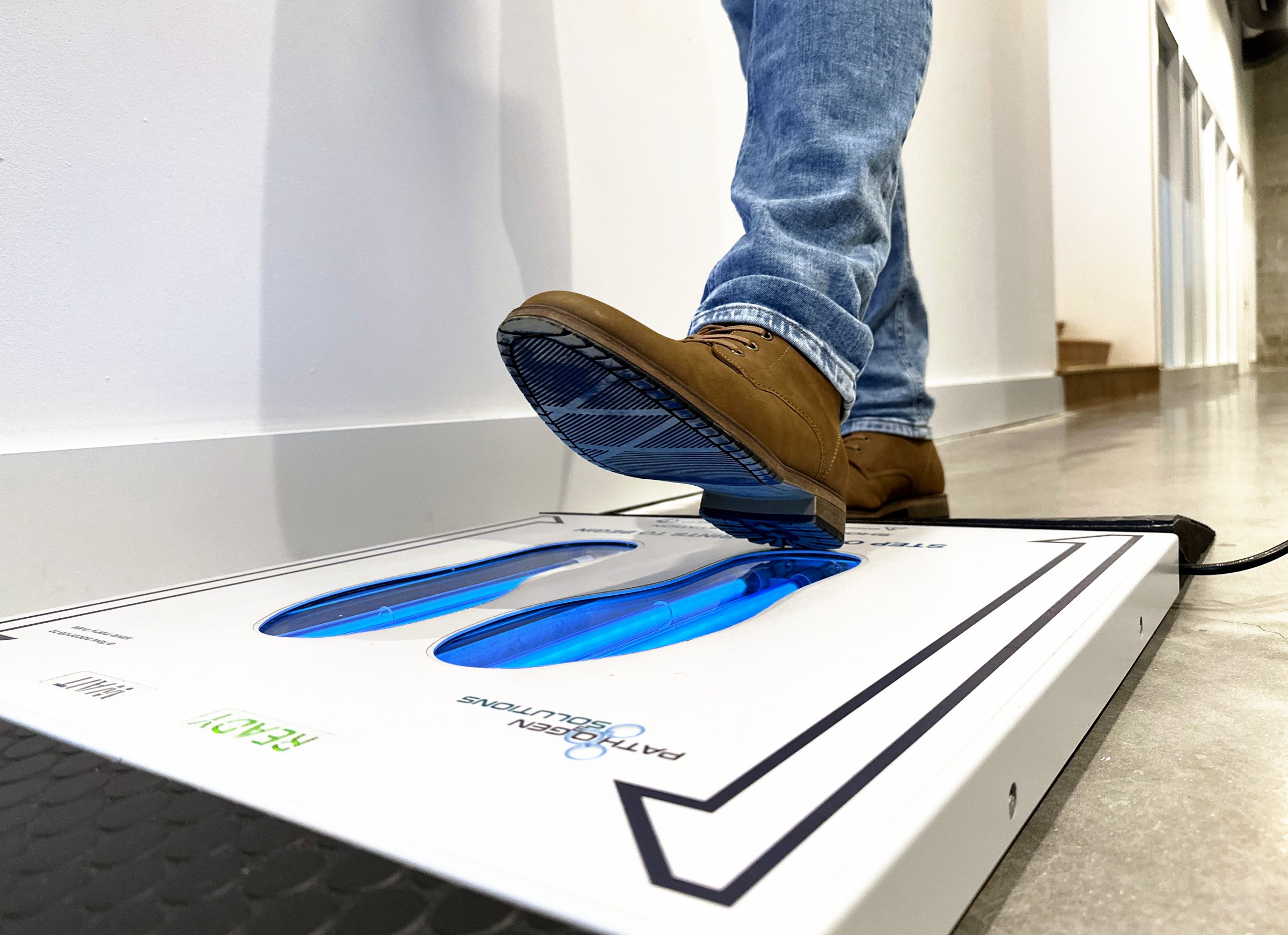
FSSC 22000 Version 7 and Footwear Hygiene
FSSC 22000 Version 7 and Footwear Hygiene. Helps reduce microbial contamination in facilities when used as directed.
READ MOREWhen Sterility Fails, the Chain Was Already Broken
A site can have documentation. It can have procedures. It can have training programs and deviation logs and CAPA records. And still, if the underlying controls are passive and unreliable, if investigations stop short of genuine root cause, and if corrective actions address symptoms rather than sources, the chain is building. Quietly, incrementally, in ways that are difficult to see from inside the system.
READ MOREUSDA Listeria Testing and Footwear Hygiene
USDA Listeria Testing and Footwear Hygiene. Helps reduce microbial contamination in facilities when used as directed.
READ MOREAs pharma manufacturing gets more automated and more sterile, footwear contamination control becomes a bigger deal than ever
Pharmaceutical manufacturing is entering a new era. Facilities are becoming more automated, more precise, and more dependent on tightly controlled environments to protect product integrity and patient safety. As robotics, closed systems, and advanced sterile processing reduce some forms of human contact, they also raise the stakes for the contamination risks that remain. One of the most overlooked of those risks is still walking in through the door: footwear.
READ MORECan We Do Better? Rethinking Floors, Shoes, and an Overlooked Contamination Pathway
In pharmaceutical and healthcare environments, contamination control often focuses on the obvious: air handling, surfaces, hand hygiene, gowning, and validated cleaning protocols. Entire programs are built around these pillars. But one persistent pathway continues to be underestimated: floors and shoes.
READ MOREFootwear Hygiene in Contamination Control
Footwear Hygiene in Contamination Control. Helps reduce microbial contamination in facilities when used as directed.
READ MOREPreparing for SQF Edition 10
The SQF Institute has indicated that audits under SQF Code Edition 10 could begin as early as January 2, 2027. As the new edition rolls out, food manufacturers will face greater expectations to demonstrate proactive contamination prevention, not just responsive sanitation.
READ MOREHospitals track hand hygiene compliance. But who is tracking shoes?
When we think about infection control in healthcare settings, we typically focus on hand hygiene, surface disinfection, and sterile equipment. But what about the shoes walking through hospital corridors every day? Emerging research reveals that footwear is an underappreciated vector for spreading healthcare-associated pathogens.
READ MOREAnnex 15 and Footwear Hygiene
Annex 15 and Footwear Hygiene. Helps reduce microbial contamination in facilities when used as directed.
READ MOREFDA Human Foods Program 2026 and Footwear Hygiene
The FDA Human Foods Program 2026 expands food safety inspections and preventive controls. Here's why training alone may not close compliance gaps.
READ MOREShoes and Floors: The Weak Links in Healthcare Environments
Despite advances in infection prevention, several persistent vulnerabilities remain in how healthcare environments address environmental contamination, particularly related to floors, footwear, and transitional spaces.
READ MOREUVZone UV-C + Ozone Technology for Food Processors
UVZone UV-C + Ozone Technology for Food Processors. Helps reduce microbial contamination in facilities when used as directed.
READ MOREExploring Shoe-Borne Pathogens
Exploring Shoe-Borne Pathogens. Helps reduce microbial contamination in facilities when used as directed.
READ MOREA Guide to UVZone Shoe Sanitizers for Healthcare Facilities in Florida
In Florida's healthcare environment, where maintaining cleanliness is challenging due to the state's climate and high visitor numbers, an overlooked source of pathogens is the soles of shoes.
READ MOREInvesting in a UVZone Shoe Sanitizing Station Can Help Your Healthcare Facility
Investing in a UVZone Shoe Sanitizing Station Can Help Your Healthcare Facility. Helps reduce microbial contamination in facilities when used as directed.
READ MOREUVZone Shoe Sanitizing Stations in Production Facilities
UVZone Shoe Sanitizing Stations in Production Facilities. Helps reduce microbial contamination in facilities when used as directed.
READ MOREHow Do Bacteria Reproduce So Quickly?
Bacteria are among the fastest-reproducing living organisms on Earth. Understanding how bacteria reproduce helps explain why proper sanitation and hygiene practices are critical for maintaining safe environments.
READ MOREThe Economic and Societal Impacts of Healthcare-Associated Infections
The Economic and Societal Impacts of Healthcare-Associated Infections. Helps reduce microbial contamination in facilities when used as directed.
READ MOREUnderstanding Shoe Sanitization with UVZone Technology
Understanding Shoe Sanitization with UVZone Technology. Helps reduce microbial contamination in facilities when used as directed.
READ MOREUVZone Shoe Sanitizing Technology and Hygiene Protocols
UVZone Shoe Sanitizing Technology and Hygiene Protocols. Helps reduce microbial contamination in facilities when used as directed.
READ MOREBiosafety Best Practices: How UVZone Shoe Sanitizers Enhance Facility Hygiene
Biosafety Best Practices: How UVZone Shoe Sanitizers Enhance Facility Hygiene. Helps reduce microbial contamination in facilities when used as directed.
READ MOREUVZone Shoe Sanitizing Stations in Livestock Production
UVZone Shoe Sanitizing Stations in Livestock Production. Helps reduce microbial contamination in facilities when used as directed.
READ MORE