
July 15, 2023
Biosafety Best Practices: How UVZone Shoe Sanitizers Enhance Facility Hygiene
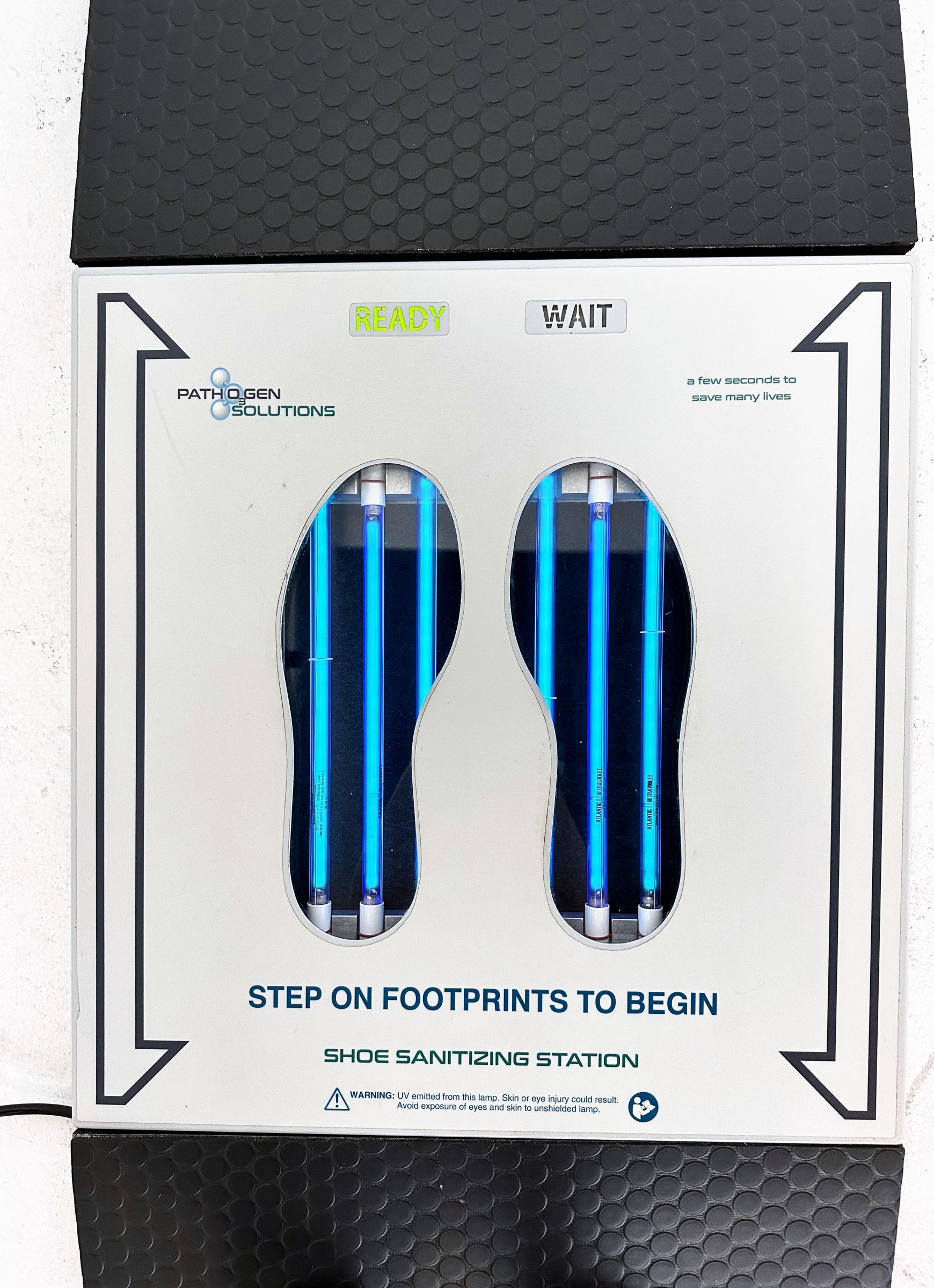
While many aspects of facility hygiene are given due attention, one often overlooked area is shoe hygiene.
Understanding Biosafety and Good Laboratory Practices
Biosafety is a set of procedures and protocols implemented to protect workers, the environment, and the community from exposure to potentially hazardous biological agents. In various industries such as healthcare, laboratories, and food processing, biosafety measures are essential for mitigating the risks associated with the handling of infectious materials. Good laboratory practices (GLP) encompass a range of guidelines and protocols that ensure the quality, integrity, and reliability of laboratory activities. By adhering to biosafety and GLP standards, organizations can maintain a safe working environment and prevent the spread of harmful microorganisms.
The Role of Shoe Hygiene in Facility Hygiene
While hand hygiene and surface disinfection are commonly addressed in facility hygiene protocols, the importance of shoe hygiene is often underestimated. Shoe soles can harbor a significant amount of microorganisms, including bacteria, viruses, and fungi. As individuals move through different areas, these pathogens can be transferred from the floor to high-touch surfaces, increasing the risk of cross-contamination. Recognizing the potential for microbial contamination through shoe soles is crucial in developing comprehensive facility hygiene practices.
UVZone Shoe Sanitizers
A device that uses UV-C and ozone to sanitize shoe soles
Effectiveness of UVZone Shoe Sanitizers
Helps reduce microbial contamination in facilities when used as directed
Environmental Risk Control
UVZone® treats the undersides of shoes during an activated treatment cycle. It does not continuously treat the room, the facility, or the footwear after the user steps off the station.
How UV Shoe Sanitizers Work
UVZone Shoe Sanitizers utilize advanced UV-C light and ozone technology to effectively reduce microbial contamination on shoe soles. Here’s a step-by-step breakdown of the shoe sanitization process:
- Placing the shoe on the UVZone Shoe Sanitizer: The shoe is positioned in the designated sanitization area of the device.
- Activating the UV-C light: Upon activation, the UV-C light is emitted, targeting the shoe sole.
- UV-C light exposure: The shoe sole is exposed to the short-wavelength UV-C light, which penetrates the cells of microorganisms and disrupts their DNA and RNA, rendering them unable to reproduce.
- Ozone generation: In addition to UV-C light, UVZone Shoe Sanitizers produce ozone, a reactive gas that further enhances the sanitization process.
- UVZone® uses a standard 8-second treatment cycle. Both shoe soles are treated during the same activated cycle.
Safeguarding Health and Environment
Biosafety measures and good laboratory practices are crucial in various industries for several reasons:
- Protection of workers: By implementing biosafety measures and adhering to good laboratory practices, organizations can minimize the risk of occupational exposure to hazardous biological agents, ensuring the safety and well-being of workers.
- Environmental protection: Proper biosafety practices prevent the release of harmful microorganisms into the environment, reducing the potential impact on ecosystems and public health.
- Prevention of cross-contamination: Effective biosafety measures help prevent the spread of microorganisms within the facility, minimizing the risk of cross-contamination and the subsequent transmission of diseases.
- Compliance with regulations: Adhering to biosafety guidelines and good laboratory practices ensures compliance with local, national, and international regulations, promoting responsible and ethical conduct in scientific and industrial settings.
UVZone Shoe Sanitizing Station
If footwear requires physical cleaning, that cleaning step remains necessary. If your procedure requires chemical treatment, shoe covers, dedicated footwear, hand hygiene, personal protective equipment, environmental cleaning, sanitation, traffic controls, or another facility control, that requirement remains in place until the responsible facility team approves a change.
Integrating UVZone Shoe Sanitizers into Biosafety Protocols
Guidance on incorporating UVZone Shoe Sanitizers into existing biosafety protocols:
- Assessing facility needs: Determine the areas where UVZone Shoe Sanitizers can be most beneficial and integrate them into facility hygiene protocols accordingly.
- Training and education: Provide proper training to employees on the usage and safety considerations of UVZone Shoe Sanitizers. Ensure they understand the importance of shoe hygiene in biosafety practices.
- Regular maintenance and monitoring: Establish a maintenance schedule to ensure UVZone Shoe Sanitizers are functioning optimally. Monitor their usage and effectiveness in reducing microbial contamination.
Contact Us
Application Limits
UVZone® treats the undersides of shoes during an activated treatment cycle. It does not continuously treat the room, the facility, or the footwear after the user steps off the station.
If footwear requires physical cleaning, that cleaning step remains necessary. If your procedure requires chemical treatment, shoe covers, dedicated footwear, hand hygiene, personal protective equipment, environmental cleaning, sanitation, traffic controls, or another facility control, that requirement remains in place until the responsible facility team approves a change.
UVZone® is intended to complement a broader contamination-control, hygiene, infection-prevention, or biosecurity program. It does not independently establish compliance or guarantee a facility-specific result.
Third-Party Lab Verified Efficacy. Selected results shown. Full laboratory reports are available upon request. Testing conducted from 2019 through 2022.
Efficacy claims based on independent laboratory testing. Results may vary based on application conditions. Patho3Gen technology is designed for environmental surface sanitation and is not intended to diagnose, treat, cure, or prevent any disease. Always follow manufacturer guidelines and applicable regulations.